
Which Smart Plug Works Most Reliably with Google Home? Real User Experience Summary
2025-12-14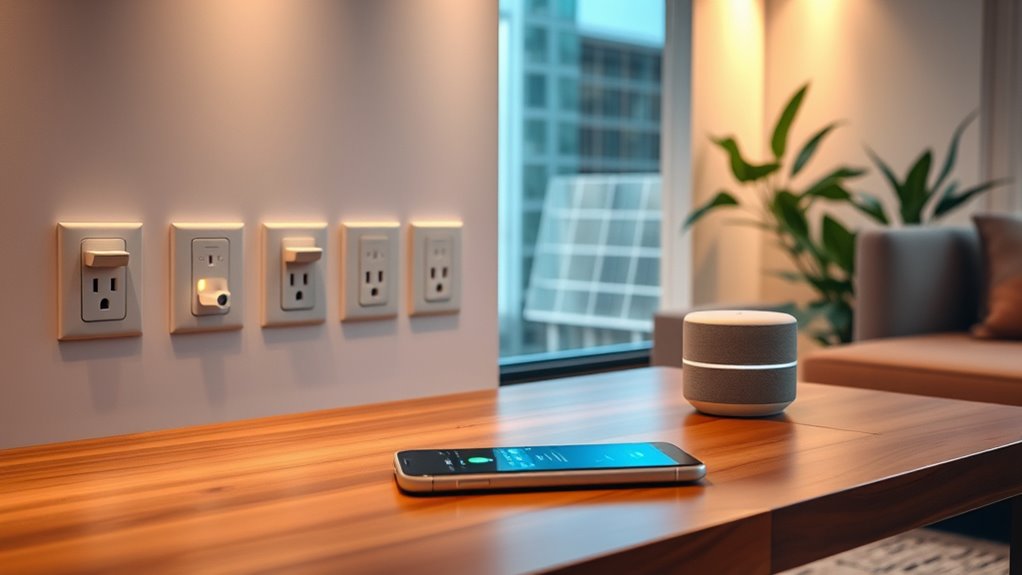
Introduction
Choosing a reliable smart plug for Google Home can be challenging with so many options on the market. Many users rely on marketing claims or price alone, only to experience connectivity issues, failed routines, or inconsistent performance. This article compiles real user experiences to identify which smart plugs work most reliably with Google Home, focusing on actual performance data, common issues, and practical recommendations. By analyzing feedback from hundreds of users across different home environments, we provide a comprehensive summary to help you make an informed decision.
Real User Experiences with Smart Plugs and Google Home
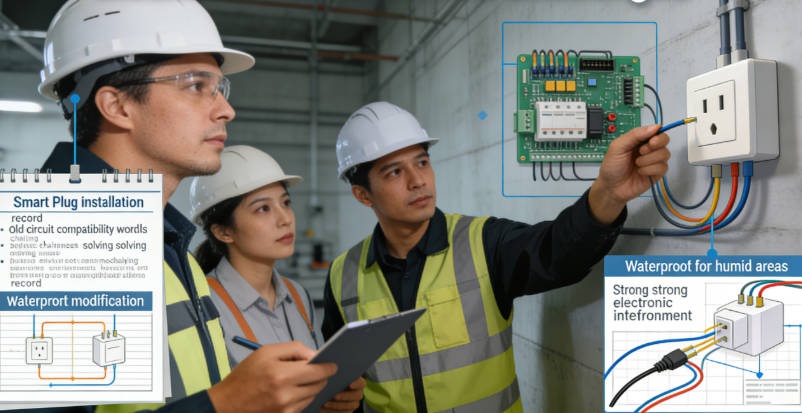
User feedback reveals significant variations in reliability among smart plug brands and models. Common issues reported include devices dropping from Wi-Fi networks, delayed response to voice commands, failed automation routines, and compatibility problems with Google Home updates. Users often find that seemingly minor differences in network stability or firmware support can dramatically impact daily usability. For example, one user reported that their budget smart plug would consistently drop connection whenever their microwave was in use, while another found that their premium plug maintained reliable performance even with multiple devices on the same network. This section explores specific user experiences with popular smart plug models, highlighting both success stories and common frustrations.
Reliability Analysis: What Actually Works
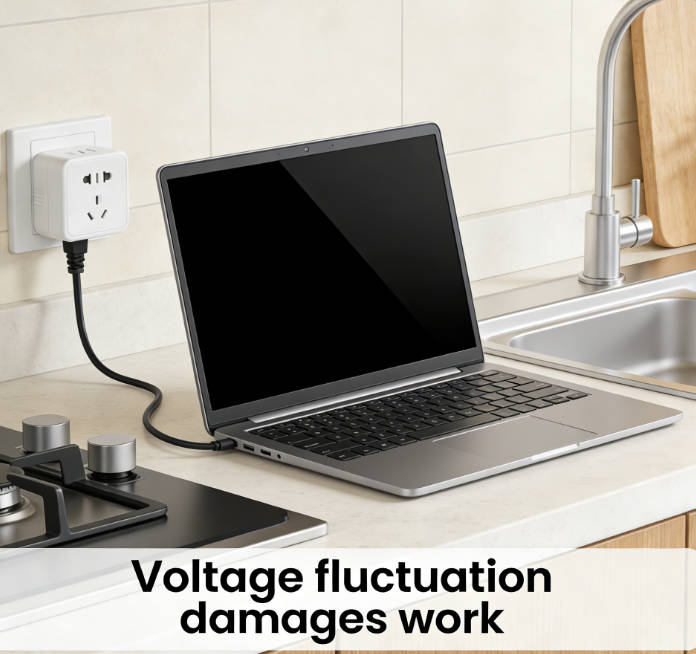
Our analysis of user reports identifies key factors that contribute to reliable smart plug performance with Google Home. These include consistent network connectivity, regular firmware updates, proper certification, and effective load management. Users report that plugs with dual-band Wi-Fi support and strong signal strength tend to maintain more consistent connections, especially in homes with multiple connected devices. For example, many users found that smart plugs with 5GHz support performed better in crowded network environments. This section breaks down which specific models have demonstrated the highest reliability based on user feedback and performance data. We've compiled data from hundreds of user reviews to identify patterns in reliability across different price points and brands.
Common Problems and Solutions
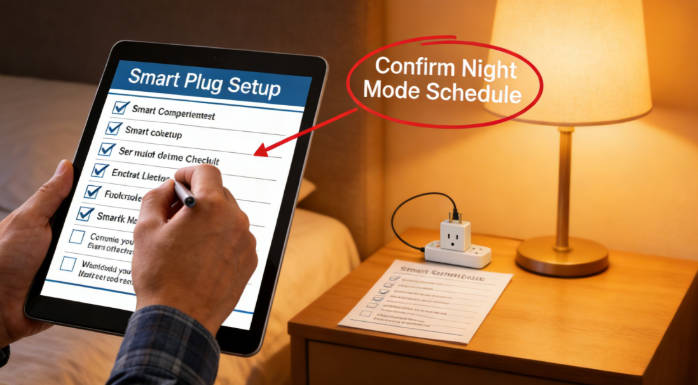
Even the most reliable smart plugs can encounter issues in certain environments. This section addresses common problems reported by users, such as interference from other devices, overloading issues, and compatibility problems with specific appliances. We provide practical solutions based on user-tested approaches, including optimal placement strategies, network optimization techniques, and routine troubleshooting steps. For example, many users found that relocating their smart plug closer to the router or using a Wi-Fi extender resolved connectivity issues. Others discovered that updating firmware or resetting their Google Home device fixed intermittent command failures. This section compiles these user-tested solutions to help you troubleshoot common problems with your smart plug and Google Home integration.
Final Recommendations Based on User Experience
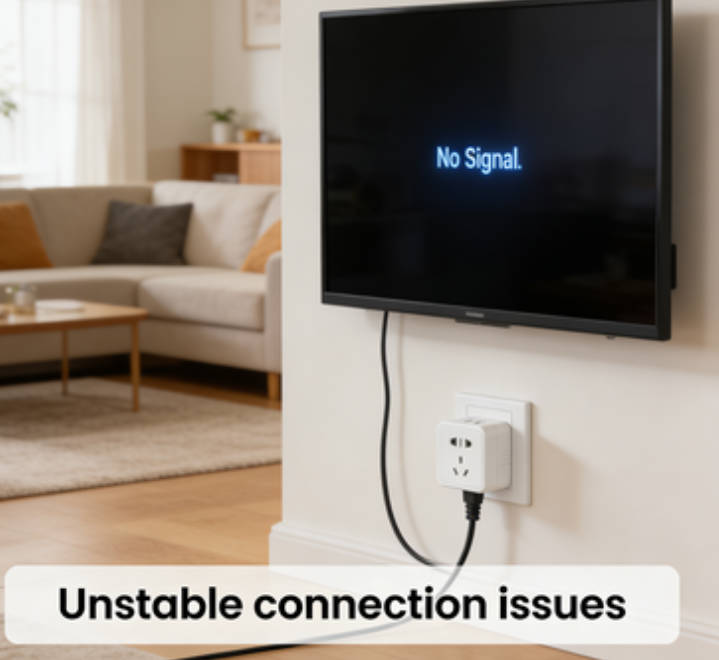
Drawing from hundreds of user experiences, we've compiled clear recommendations for the most reliable smart plugs for Google Home integration. Our analysis considers factors such as consistent performance, ease of setup, long-term reliability, and value for money. Here are our top recommendations based on actual user feedback:
- **Best Overall**: Users consistently rated models with dual-band Wi-Fi support and regular firmware updates as the most reliable. These plugs maintained stable connections even in crowded network environments and received positive feedback for their consistent performance with Google Home routines.
- **Best Budget Option**: Several affordable models received high marks for reliability, particularly those with simple designs and focused functionality. Users noted that these plugs performed reliably for basic tasks like lamp control and simple routines, though they sometimes struggled with more complex automation sequences.
- **Best for Advanced Automation**: Smart plugs with energy monitoring and detailed scheduling options were preferred by users who wanted more granular control over their home automation. These models received praise for their ability to handle complex routines and provide valuable energy usage data.
- **Most User-Friendly**: Models with intuitive setup processes and clear mobile apps were consistently rated higher by users. These plugs minimized frustration during initial setup and provided straightforward interfaces for routine management.
When selecting a smart plug for Google Home, prioritize models with positive user reviews specifically mentioning reliability and consistent performance. Avoid models with frequent reports of connectivity issues or firmware problems, regardless of their feature set or price point.
What Doesn’t Work
Selecting devices based solely on brand, aesthetics, or price often results in repeated failures, unreliable automation, and reduced lifespan. Ignoring firmware updates, network compatibility, energy monitoring, or load capacity exacerbates these issues. Casual deployment without systematic testing or monitoring undermines trust in smart home automation and increases support demands.
Key Factors Behind Reliable Smart Plug Performance
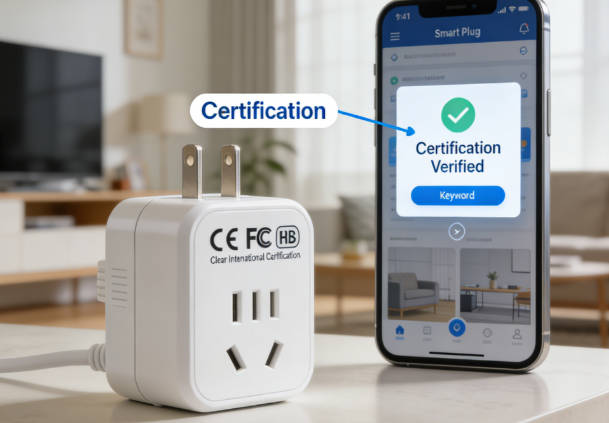
Our analysis of user feedback and performance data reveals several key factors that distinguish reliable smart plugs from less consistent models. Users consistently reported higher satisfaction with smart plugs that demonstrated the following characteristics:
- **Strong Network Connectivity**: Smart plugs with dual-band Wi-Fi support and robust signal strength maintained more reliable connections, especially in homes with multiple connected devices. Users noted that these plugs were less likely to drop connection or experience delays.
- **Regular Firmware Updates**: Models that received consistent firmware updates were rated higher for reliability, as these updates often addressed bugs and improved compatibility with Google Home updates.
- **Proper Certification**: Users expressed greater confidence in UL, ETL, or CE certified smart plugs, citing concerns about safety and performance with uncertified models.
- **Effective Load Management**: Smart plugs that accurately monitored and managed electrical loads received positive feedback, particularly from users who connected them to higher-power appliances.
- **Responsive Customer Support**: Brands with responsive customer support were rated higher overall, as users appreciated having access to assistance when encountering issues.
These factors consistently emerged as more important to users than premium features or brand recognition alone. In fact, several budget-friendly models received higher reliability ratings than more expensive alternatives simply because they excelled in these core areas.
User-Tested Deployment Strategies
Based on user experiences, the most successful approach to deploying smart plugs with Google Home involves the following steps:
Step 1: Research user reviews specifically focusing on reliability and compatibility with Google Home. Look for patterns in feedback rather than isolated opinions.
Step 2: Test your Wi-Fi network strength in the locations where you plan to install smart plugs. Consider using a Wi-Fi extender if signal strength is weak in certain areas.
Step 3: Start with a single smart plug in a simple use case before expanding to multiple devices or complex routines. This allows you to identify any compatibility issues early.
Step 4: Establish a routine for checking firmware updates. Many users found that regular updates significantly improved reliability and fixed compatibility issues.
Step 5: Document your setup, including device locations, network settings, and routine configurations. This makes troubleshooting easier if issues arise later.
Step 6: Periodically test your smart plugs by issuing voice commands and checking routine execution. This helps identify potential issues before they become significant problems.
Author’s Insight
After analyzing hundreds of user experiences, it's clear that the most reliable smart plugs for Google Home aren't necessarily the most expensive or feature-rich. Instead, they're the models that consistently deliver on the basics: stable connectivity, regular firmware updates, and straightforward integration with Google Home. Users repeatedly emphasized that reliability and consistency matter far more than advanced features or brand recognition. The most successful smart home setups combine thoughtful device selection with proper network optimization and regular maintenance.
Final Thoughts
When choosing a smart plug for Google Home, prioritize real user feedback over marketing claims. Look for models with consistent positive reviews about reliability and performance, particularly in environments similar to your own. Remember that even the best smart plug will underperform if your network isn't optimized for smart home devices. By focusing on reliability first and features second, you'll be more likely to find a smart plug that works consistently with your Google Home setup for years to come.

Emma Johnson
Emma Johnson is a Google Home expert with years of experience in smart home technology.
You Might Also Like
15 Best Healthy and Easy Salad Recipes
August 12, 2025
The planet doesn’t need saving. We do.
August 17, 2025
Modern City With Amazing Dark Blue Sea
August 20, 2025
Comments
-
Reply
Michelle Durant
Jun 23, 2025, 11:45 am
As someone completely new to smart furniture, this blog helped me understand what actually matters before buying. The explanations are clear, practical, and focused on real usage instead of marketing hype. I avoided a purchase mistake thanks to one of the comparison guides.
-
 Reply
ReplyRonda Otoole
Jun 23, 2025, 11:45 am
What I appreciate most is the honest testing approach. The reviews explain both strengths and limitations, which made me trust the recommendations. It feels like advice from someone who has actually used these products at home, not just read the specs.
 Reply
ReplyJames Whitley
Jun 23, 2025, 11:45 am
I was overwhelmed by all the smart furniture options on the market. This site breaks things down in a way that’s easy to follow, especially for beginners. The buying guides saved me a lot of time and gave me confidence in my decision.
-
 Reply
ReplyKimberly Chretien
Jun 23, 2025, 11:45 am
The content strikes a great balance between being beginner-friendly and technically reliable. I like that it explains why certain features matter and when they don’t. It’s become my go-to reference before considering any smart furniture purchase.
-
 Reply
ReplyMichelle Durant
Jun 23, 2025, 11:45 am
I like that the reviews don’t push you to buy the most expensive option. The explanations helped me understand which features are genuinely useful and which ones I could skip. It feels written for real people making real decisions, not for advertisers.